

Chronic Stress: How Holism Can Help You Find Balance
Chronic stress is an increasingly common condition, the result of a hectic life and daily pressures that often distance us from our center. This type of stress not only compromises physical well-being, but can also profoundly affect our emotional and spiritual state. The holistic approach offers an alternative and profound way to deal with stress, working not only on the symptoms, but on the roots of the problem.
The Effects of Chronic Stress on the Body and Mind:
Prolonged stress constantly activates the nervous system, keeping it in a state of alert. This can lead to:
- Physical ailments: muscle tension, migraines, chronic pain, gastrointestinal disorders.
- Emotional problems : anxiety, irritability, feeling overwhelmed.
- Spiritual disconnection : loss of purpose, feeling of inner emptiness.
When left untreated, chronic stress can become a cycle that seems impossible to break. Holism works to break this pattern through work on the body, mind and spirit.
Holistic Remedies for Stress:
Holism considers the person as a whole and uses techniques that work in synergy to restore balance. Here are some practical approaches:
1. Ayurvedic massage to release tension:
Ayurvedic massage uses warm oils and specific techniques to relax the muscles and stimulate the lymphatic system. This treatment not only relaxes the body but also helps to calm the mind.
- Practical example: After a stressful day, indulge in a self-massage with warm sesame oil, focusing on your shoulders and feet.
2. Energy treatments to balance the nervous system:
Chakra balancing and other energy techniques such as Reiki help calm the nervous system and restore vital energy.
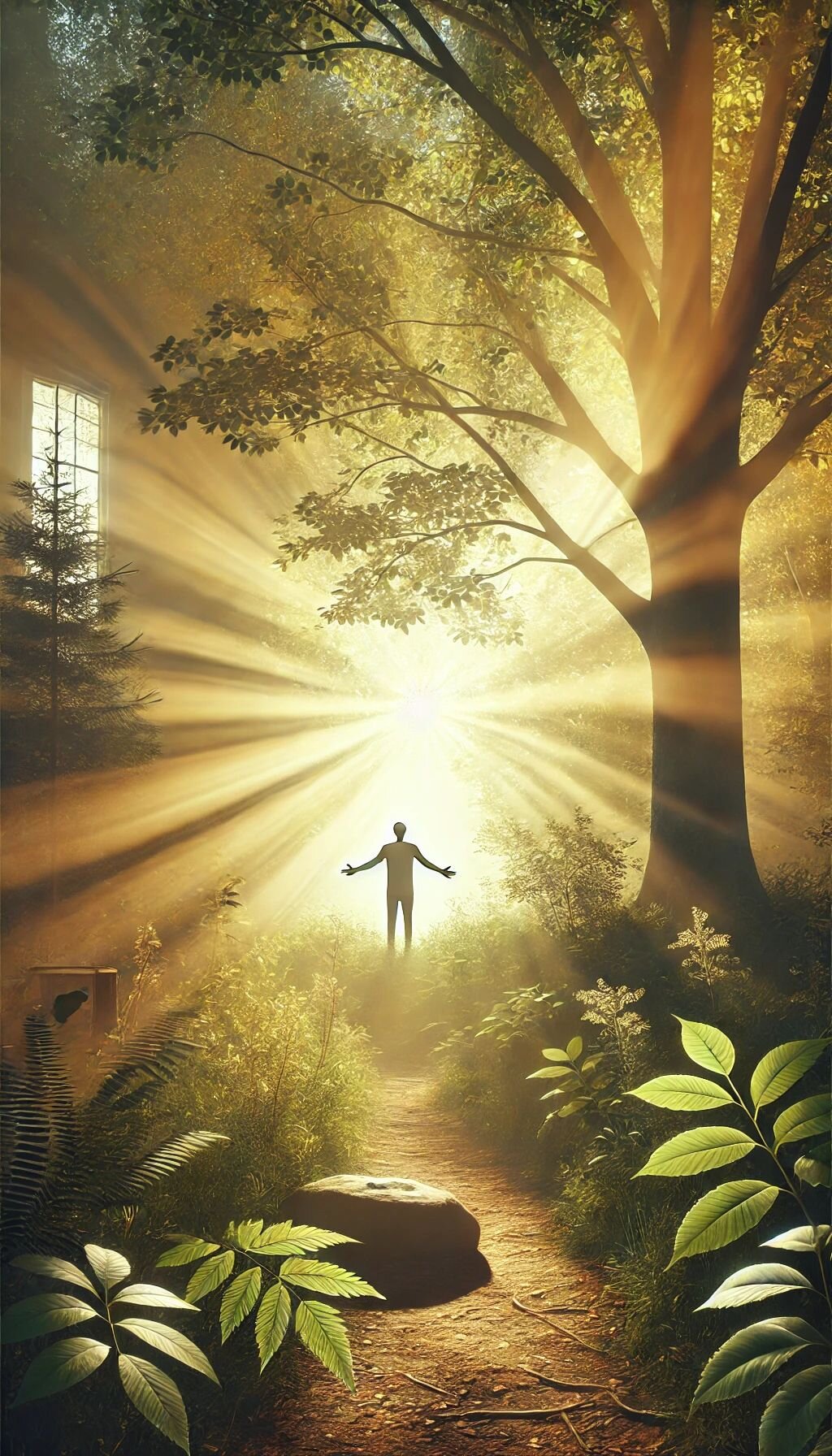
- Practical example: Before going to sleep, place your hands on your solar plexus (third chakra) and breathe deeply while visualizing a golden light that calms internal tensions.
3. Meditation and conscious breathing:
Daily meditation, even for a few minutes, reduces stress and strengthens emotional resilience. Mindful breathing is a powerful weapon for dealing with immediate stress.
- Practical example: Try the 4-7-8 technique: inhale for 4 seconds, hold your breath for 7 seconds and exhale slowly for 8 seconds.
4. Connection with nature:
Contact with nature is one of the most powerful remedies to reduce stress. Walking barefoot on the grass, listening to the sound of the trees or simply sitting in the sun helps to rebalance the energies.
- Practical example: Take 20 minutes a day for a walk in a park, leaving your phone at home. Focus your attention on the details: the scent of the flowers, the rustling of the leaves, the warmth of the sun.
.
Changing your lifestyle with small steps:
The key to dealing with chronic stress is to gradually integrate mindfulness and wellness practices into your daily routine. Some practical suggestions include:
- Create a morning ritual with 5 minutes of meditation or stretching.
- Write a gratitude journal, listing 3 positive things every night.
- Reduce time in front of screens and increase time spent on creative activities, such as painting or reading
Conclusion:
Chronic stress doesn't have to be a punishment. With a holistic approach, you can regain your balance and transform the weight of stress into an opportunity to discover new inner resources. Every little step you take towards your well-being is a demonstration of love towards yourself
.jpeg "Bach Flowers: Healing Emotions Through Nature")